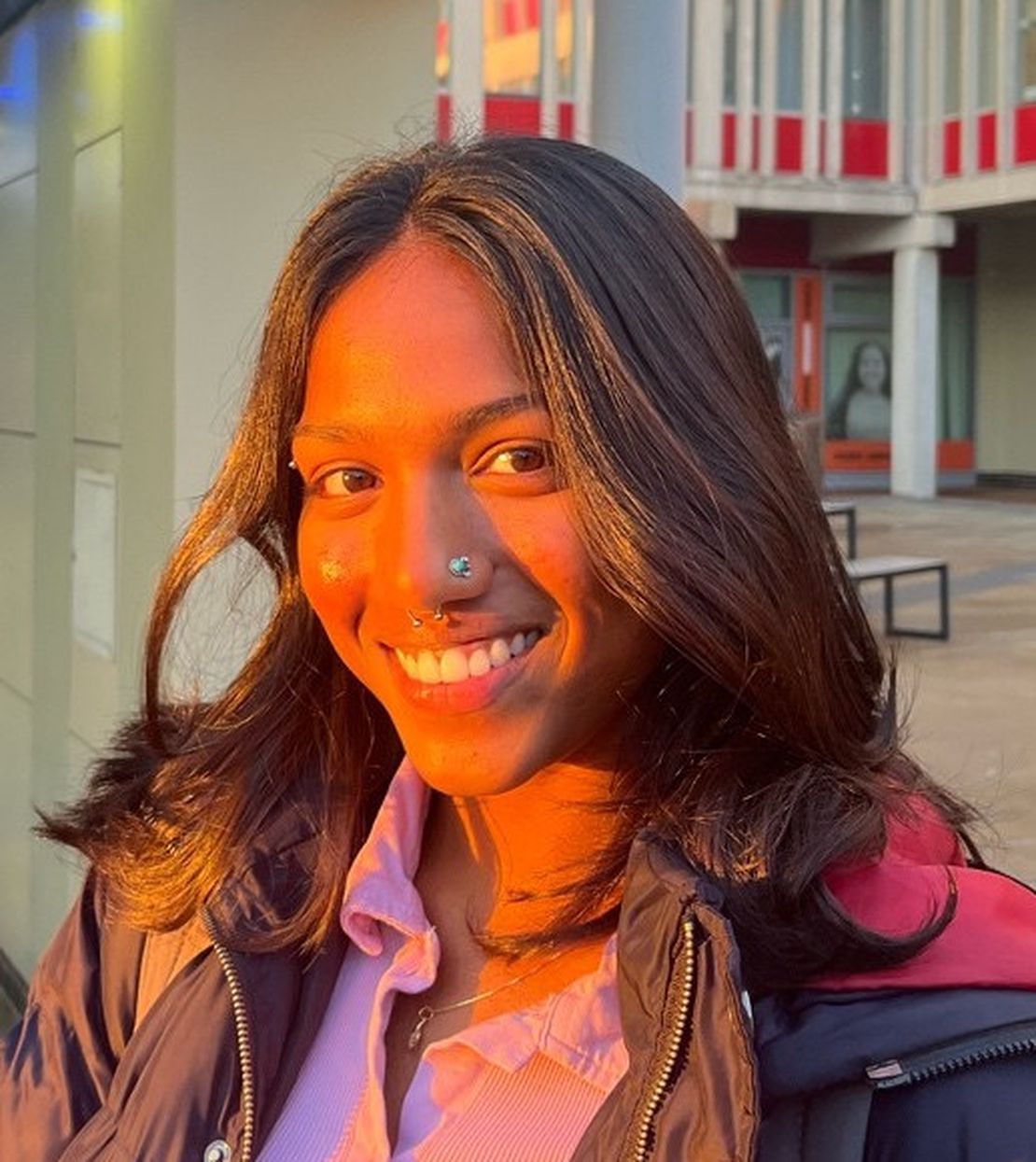
Anugraha Thorat
Anugraha was the first L+PLUS Lab member to tackle visual and auditory integration in dyslexic readers. She has joined the PELICAN Lab at Louisiana State University where is is persuing her PhD in Communication Disorders.
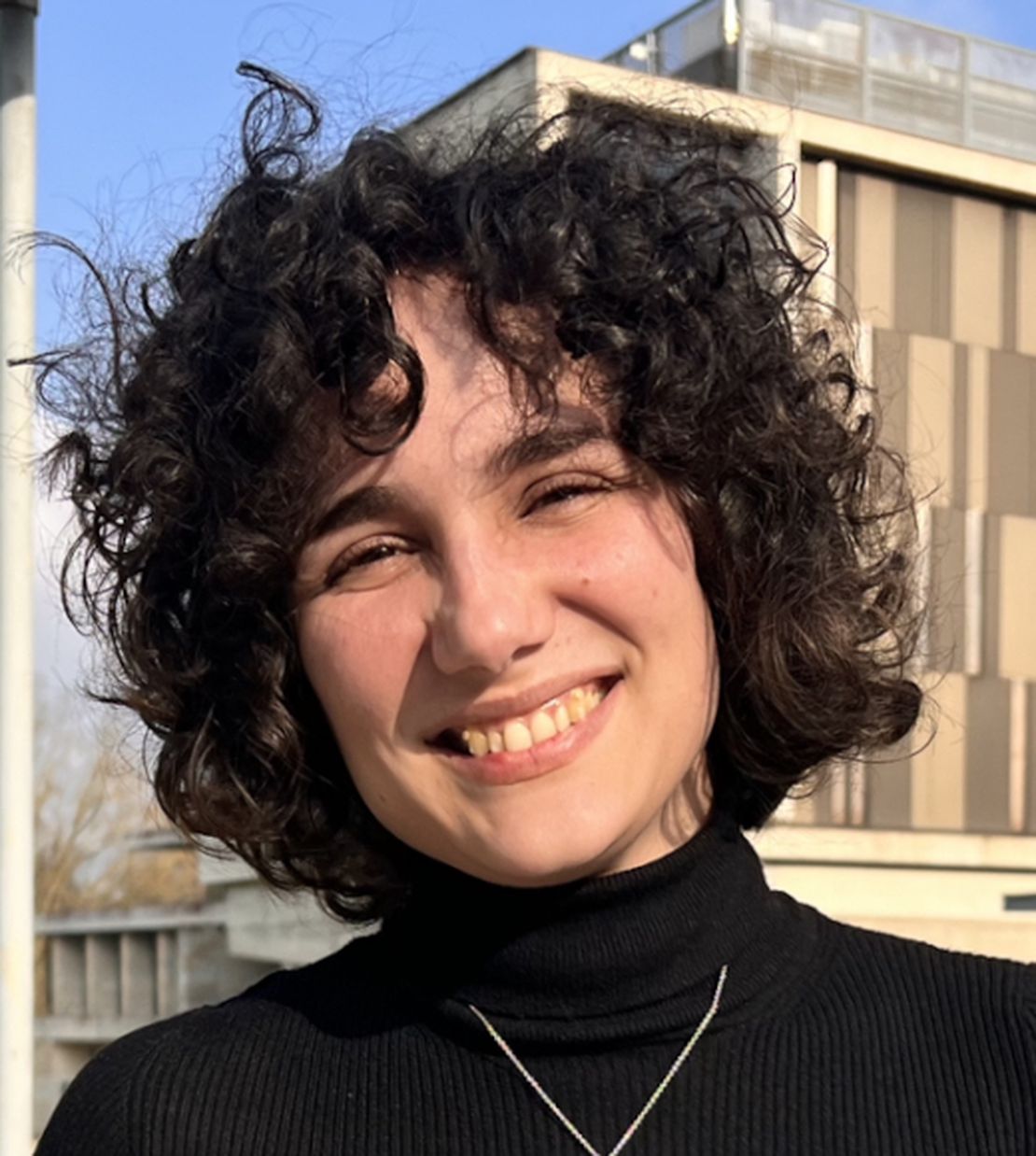
Dr. Concepción Soto
PhD: Did I hear that right? The impact of bilingual experience on spoken word recognition (2024). Inma specializes in bilingual and heritage language processing. Find her now in Northwestern’s Bilingualism and Psycholinguistics Research Laboratory.
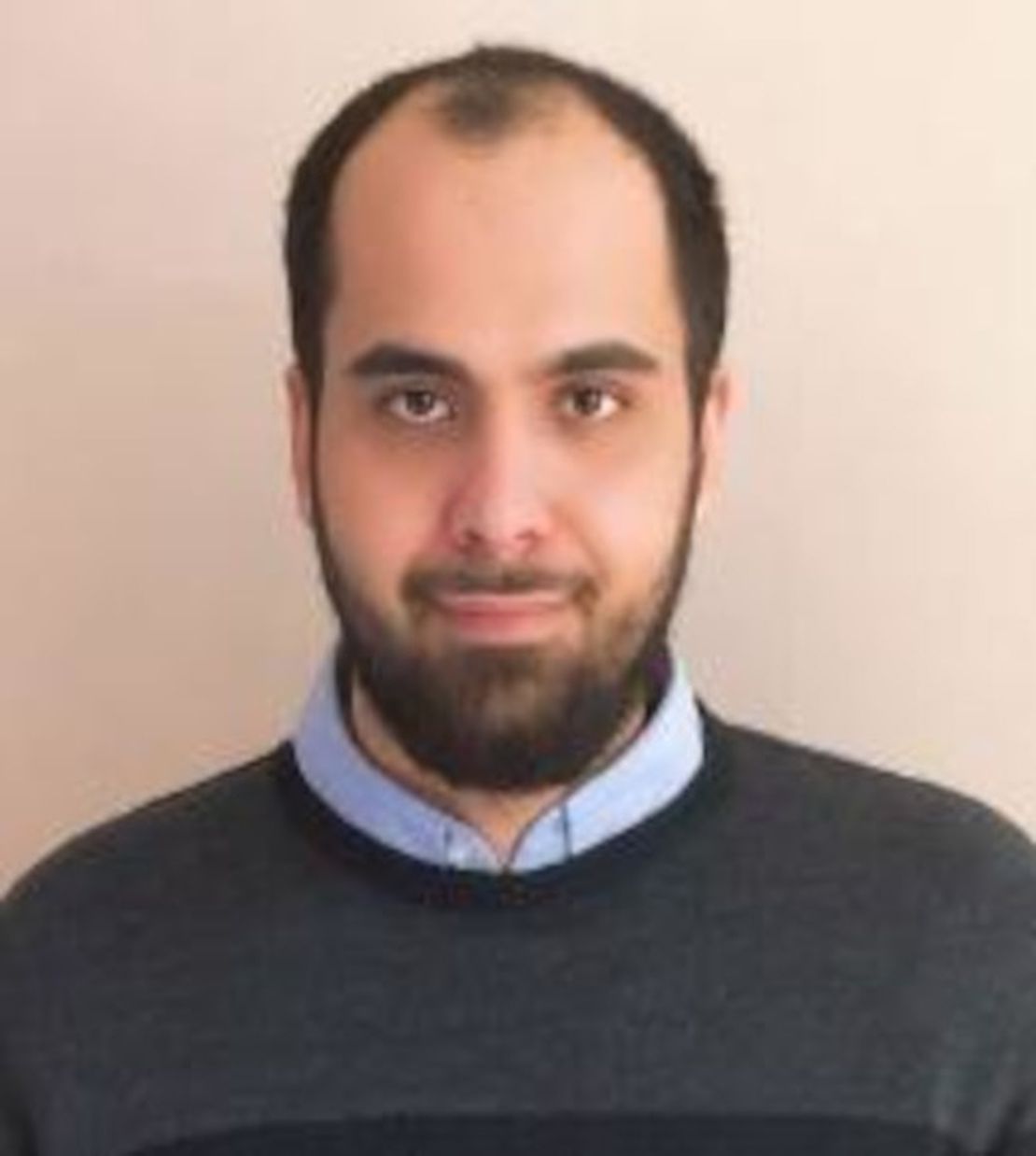
Dr. Ehsan Solaimani
PhD: L2 processing of English relative clauses and long-distance wh-dependencies: evidence from L1-French and L1-Persian speakers (2023). Ehsan is currently a Lecturer (Assistant Professor) at the University of York in the UK.

Dr. Fate O'Gara
PhD: Event Numeration in Situation Model Construction (2024). Fate’s work combines theoretical semantics and psycholinguistic methods to focus on the mental representations of event knowledge. He is currently a Research Technician at the School of Psychology and Clinical Language Sciences at the University of Reading.
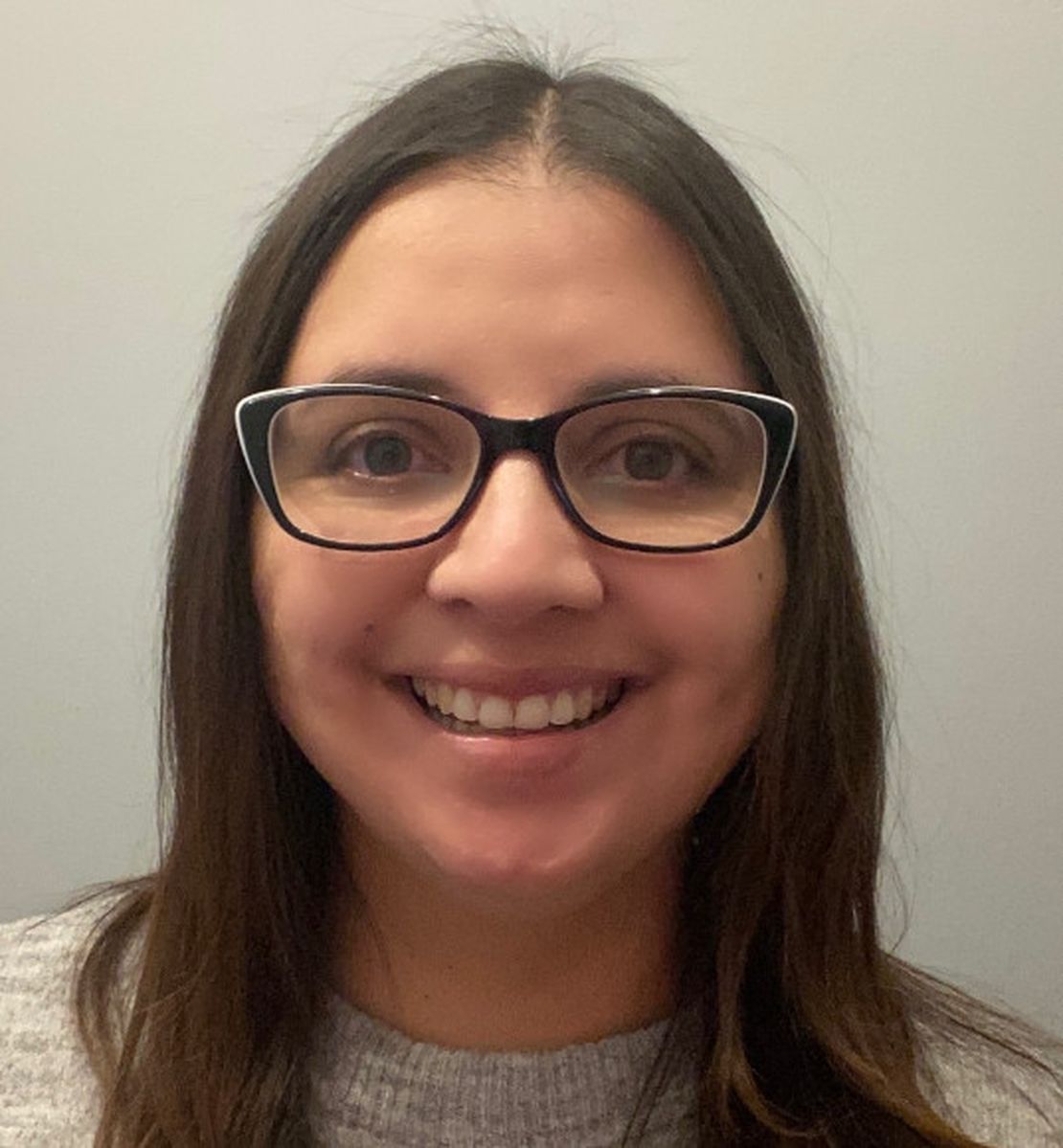
Dr. Stephanie Martin Vega
PhD: Lexical Processing and Executive Function in Bilingual Children with and without Language Disorder (2024). Stephanie’s expertise is in atypical language processing, particularly in children with DLD. She is currently a Research Fellow at the University of Greenwich.
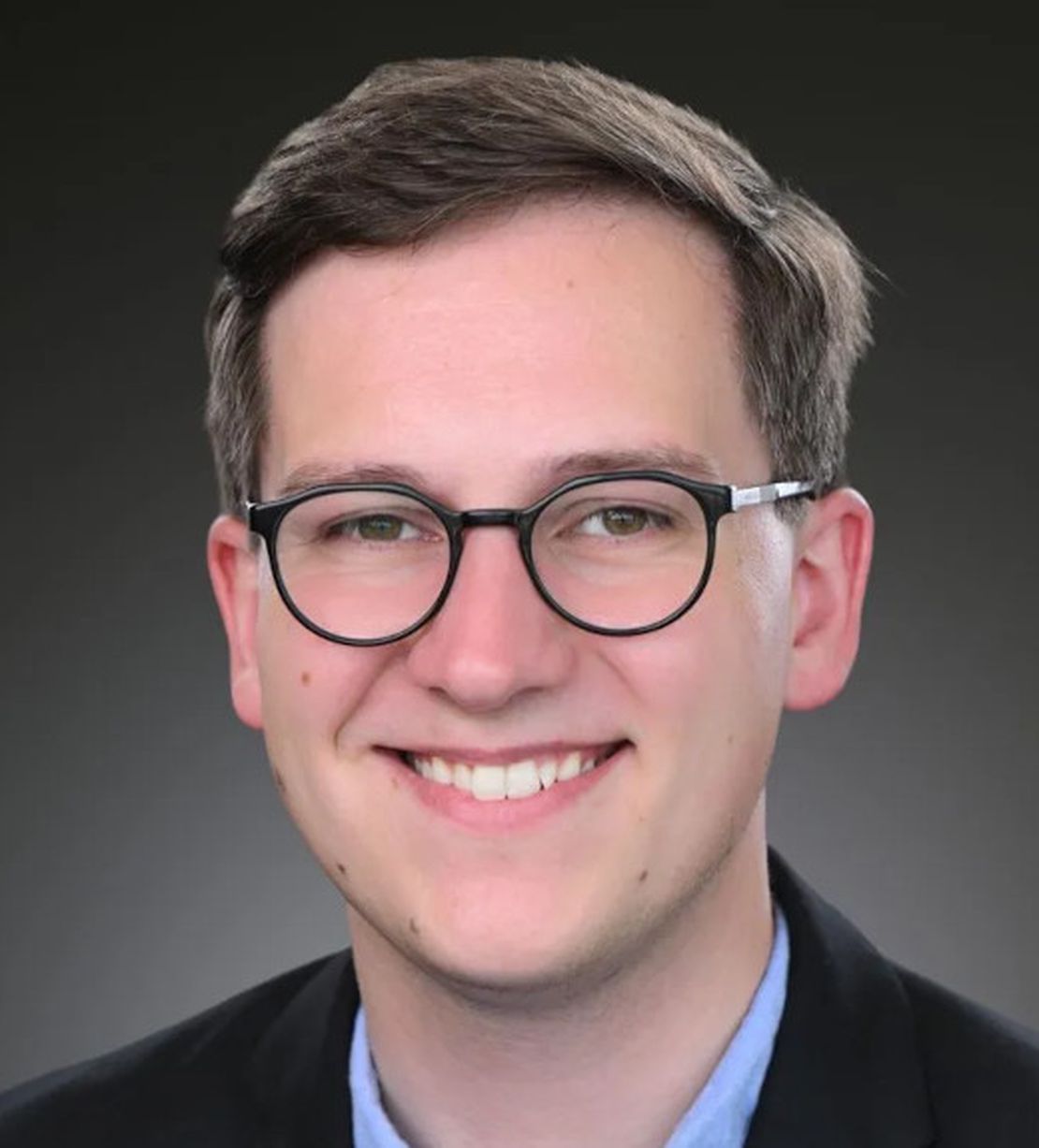
Dr. Willem van Boxtel
PhD: A matter of memory? Sentence comprehension in healthy aging (2022). Willem’s work looks at language processing in typical aging and in people with aphasia. He is currently an Assistant Professor in the Department of Communication Sciences and Disorders at Louisiana State University, where he leads the PELICAN Lab.

Dr. Xiaoduan Fan
PhD: Call me a woman or a PhD, why a woman PhD? An exploration of gender-biased and gender-inclusive language in Chinese (2025). Xiaoduan’s work centers around gendered language use and stereotypes in Mandarin Chinese, where she uses a variety of behavioral and EEG methods to explore the processing ramifications of gendered or gender-neutral language use.